8 Contractors Every Colorado Custom Home Project Needs on the Team
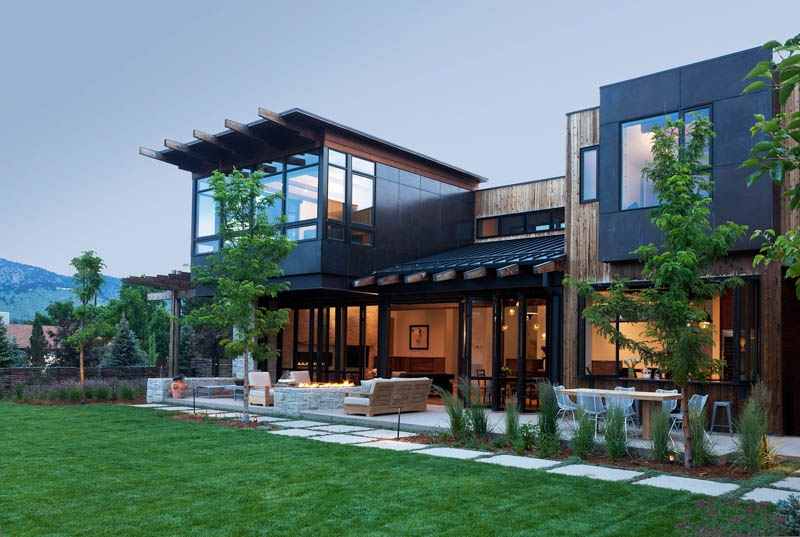
A custom home is never just one job. It’s a sequence of specialized trades handing a project off to one another, from the first cut into the ground to the last coat of finish on a cabinet door. Homeowners who understand who does what, and when each specialist needs to step in, tend to avoid the delays and miscommunication that derail so many custom builds. They also end up with a home that reflects what they set out to build instead of a compromise shaped by scheduling problems.
Here are eight types of contractors every Colorado homeowner should have lined up before the first shovel hits the dirt.
1. Full-Service Custom Home Builders
A full-service builder gives a homeowner one point of contact for the entire project instead of a dozen separate relationships to manage. These companies pull permits, line up subcontractors, hold the budget together, and keep an eye on quality from the first design meeting through the final walkthrough. The best ones build each home around how a specific family lives rather than working from a catalog of predesigned templates, favoring collaborative design and finishes meant to last over cookie-cutter layouts.
2. Design-Build Contractors
Some homeowners prefer to skip the back-and-forth of hiring an architect and a builder as two separate parties. A design-build contractor folds both roles into a single team, which tends to shorten the design phase and keep the budget from drifting the way it can when two firms are negotiating changes independently.
This setup works especially well for homeowners who want a hands-on role in shaping layouts and finishes without juggling two sets of communication and two sets of invoices.
3. Excavation and Site Development Contractors
Colorado’s terrain rarely makes anything easy. Before a foundation crew can even show up, an excavation contractor has to grade the lot, sort out drainage, clear whatever’s in the way, and get utilities into the ground. That work looks very different on a flat suburban lot than it does on a sloped mountain parcel or a stretch of rural acreage, which is exactly why experience with local terrain matters more here than in most states.
4. Timber Frame and Structural Specialists
Exposed beams and vaulted ceilings don’t happen by accident. Timber framing specialists bring a level of structural craftsmanship that turns a load-bearing necessity into one of the most memorable features in a home. These timber frame contractors typically work hand in hand with the general builder, since timber elements often need to be planned into the structure from the earliest design stages rather than added on afterward.
5. Foundation and Concrete Contractors
Everything above ground depends on what happens below it. Concrete contractors pour the footings, slabs, crawl spaces, retaining walls, and basement foundations that carry a custom home for decades, and Colorado’s shifting soil conditions and freeze-thaw cycles make that work more demanding than it looks. A foundation built without accounting for the local soil is one of the more expensive mistakes a project can make, and it’s rarely cheap to fix after the fact.
6. High-End Finish Contractors
The details a homeowner notices every single day rarely come from the framing crew. Cabinetmakers, trim carpenters, tile setters, and flooring installers are the ones who turn a finished structure into a home that feels personal. The quality of this work shows up immediately in how a room looks and feels, and it tends to show up again later in what the home is worth if the owner ever decides to sell.
7. Outdoor Living Contractors
Colorado homeowners treat their outdoor space as real living space, not an afterthought tacked onto the backyard. Contractors in this niche build covered patios, pergolas, outdoor kitchens, fireplaces, and decks designed to get real use across most of the year. Building these features in during initial construction, rather than bolting them on later, almost always produces a more cohesive result, since the outdoor space can be designed alongside the home instead of squeezed in around it.
8. Remodeling Contractors for the Long Run
A custom home built today won’t necessarily fit a family’s needs a decade from now. Remodeling contractors handle the additions, kitchen renovations, basement finishes, and interior updates that keep a home evolving without losing the architectural character it started with. Working with a builder that also handles remodeling can give homeowners some continuity, since that team already knows the home’s original design and construction instead of starting from scratch with someone new.
Building the Right Team from Day One
No two custom homes come together the same way, and no two teams look exactly alike either. Specialty contractors bring the expertise that makes each phase of the build succeed, but working with an experienced custom home builder who can coordinate all of it tends to make the difference between a smooth build and a stressful one. Knowing what each contractor does, and when they need to be involved, puts homeowners in a much stronger position to build the team their project deserves.