Decentralisation in Singapore: Emerging Residential Hubs and Lifestyle Impacts
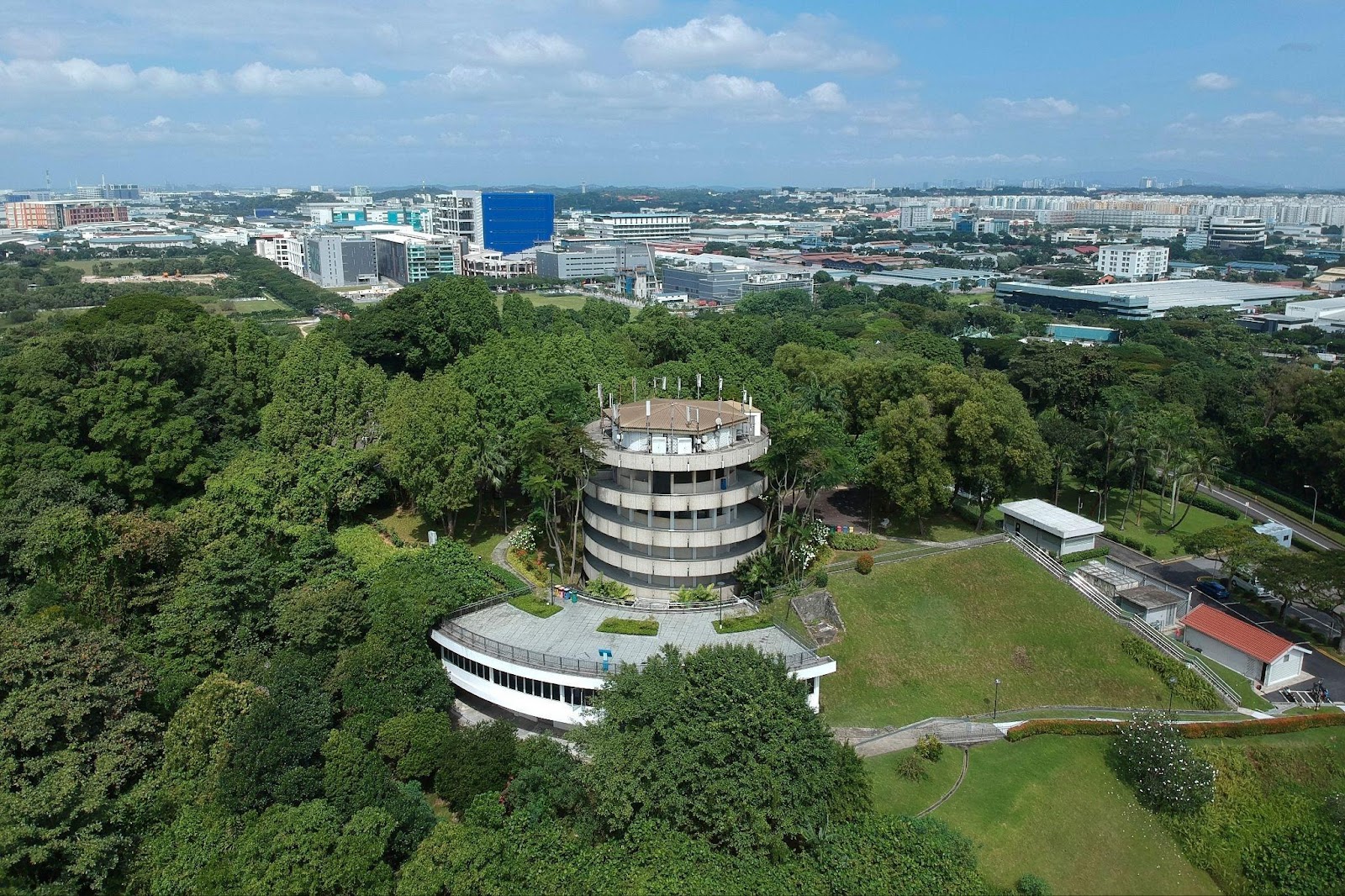
Singapore’s urban landscape is evolving beyond the traditional city-centre focus. Decentralisation initiatives and the development of suburban hubs are reshaping residential patterns, offering more options for families, professionals, and investors seeking balance between accessibility, lifestyle, and community. Developments such as Hudson Place Residences and Dunearn House exemplify how properties benefit from proximity to emerging hubs while maintaining connection to established amenities.
The Decentralisation Trend
Decentralisation in Singapore aims to distribute commercial, residential, and recreational facilities across multiple hubs, reducing congestion in the central business district while supporting community growth in suburban areas. This strategy influences residential demand, as buyers and tenants seek homes vela bay condo that combine convenience, lifestyle options, and access to urban amenities.
Emerging residential hubs provide opportunities for properties to stand out in terms of space, affordability, and quality of life, while still offering connectivity to city-centre jobs and services.
Hudson Place Residences: Urban Flexibility in a Modern Hub
Hudson Place Residences benefits from its location in a district experiencing gradual urban decentralisation. While not in the traditional core, it is well-connected to MRT lines, bus routes, and major roads, providing residents with easy access to both the city and suburban commercial centres.
The development offers flexible unit layouts and modern amenities, catering to professionals and families who value a balance of convenience, lifestyle, and community engagement. By situating itself in a district aligned with decentralisation trends, Hudson Place Residences ensures sustained relevance as urban hubs expand.
Dunearn House: Established Comfort Amid Emerging Trends
Dunearn House, in a more mature neighbourhood, demonstrates how established properties can complement decentralisation efforts. Its proximity to schools, parks, and recreational areas continues to appeal to families, while nearby commercial nodes benefit from government initiatives to enhance suburban business activity.
For residents, Dunearn House offers stability, a strong sense of community, and easy access to local services. Its location ensures that decentralisation initiatives, such as new commercial and leisure facilities, enhance the property’s long-term desirability without disrupting the established neighbourhood fabric.
Lifestyle Implications of Decentralisation
Emerging hubs provide residents with a lifestyle that balances work, recreation, and community life. Reduced travel times, local amenities, and enhanced green spaces contribute to healthier, more fulfilling daily routines.
At Hudson Place Residences, residents can enjoy communal facilities, landscaped gardens, and fitness areas while remaining connected to growing commercial and lifestyle nodes. Dunearn House benefits from established parks, shopping districts, and neighbourhood activities, demonstrating how mature communities adapt to broader urban shifts.
Connectivity and Accessibility
Connectivity remains a key consideration for properties in decentralised hubs. Residents require efficient access to employment centres, schools, and commercial districts while benefiting from the reduced congestion of suburban living.
Hudson Place Residences provides access to multiple MRT stations and arterial roads, enabling seamless travel across Singapore. This connectivity enhances lifestyle convenience while aligning with broader decentralisation strategies.
Dunearn House similarly leverages transport links to maintain accessibility, ensuring that residents can participate in economic and social activities across both established and emerging districts.
Investment Opportunities in Decentralising Hubs
Decentralisation can enhance long-term property value. Developments situated in areas with planned growth often experience appreciation as commercial and recreational nodes expand, while demand for quality residential options remains strong.
Hudson Place Residences offers modern units in a district poised for growth, appealing to both owner-occupiers and tenants. Its integration of amenities, connectivity, and community spaces ensures sustainable demand.
Dunearn House, with its mature setting, demonstrates the value of combining established residential stability with the benefits of decentralised development. Investors benefit from predictable occupancy rates and long-term market resilience.
Conclusion
Decentralisation in Singapore is reshaping residential demand, creating opportunities for properties that combine accessibility, lifestyle, and community. Developments that integrate modern design with strategic location benefit from the expansion of emerging urban hubs while maintaining relevance to traditional residential priorities.
Hudson Place Residences and Dunearn House illustrate how properties can leverage decentralisation trends. By providing connectivity, family-friendly amenities, and vibrant community spaces, they cater to modern lifestyle needs while offering long-term value for residents and investors alike.
As Singapore’s urban landscape evolves, residential properties that balance decentralised convenience with lifestyle and community integration stand out as forward-thinking, sustainable choices.